Middle Schoolers Dive into Computer Science at UW–Madison
A week of cryptography, robotics, and creativity at the new Computer Sciences Explorations Camp
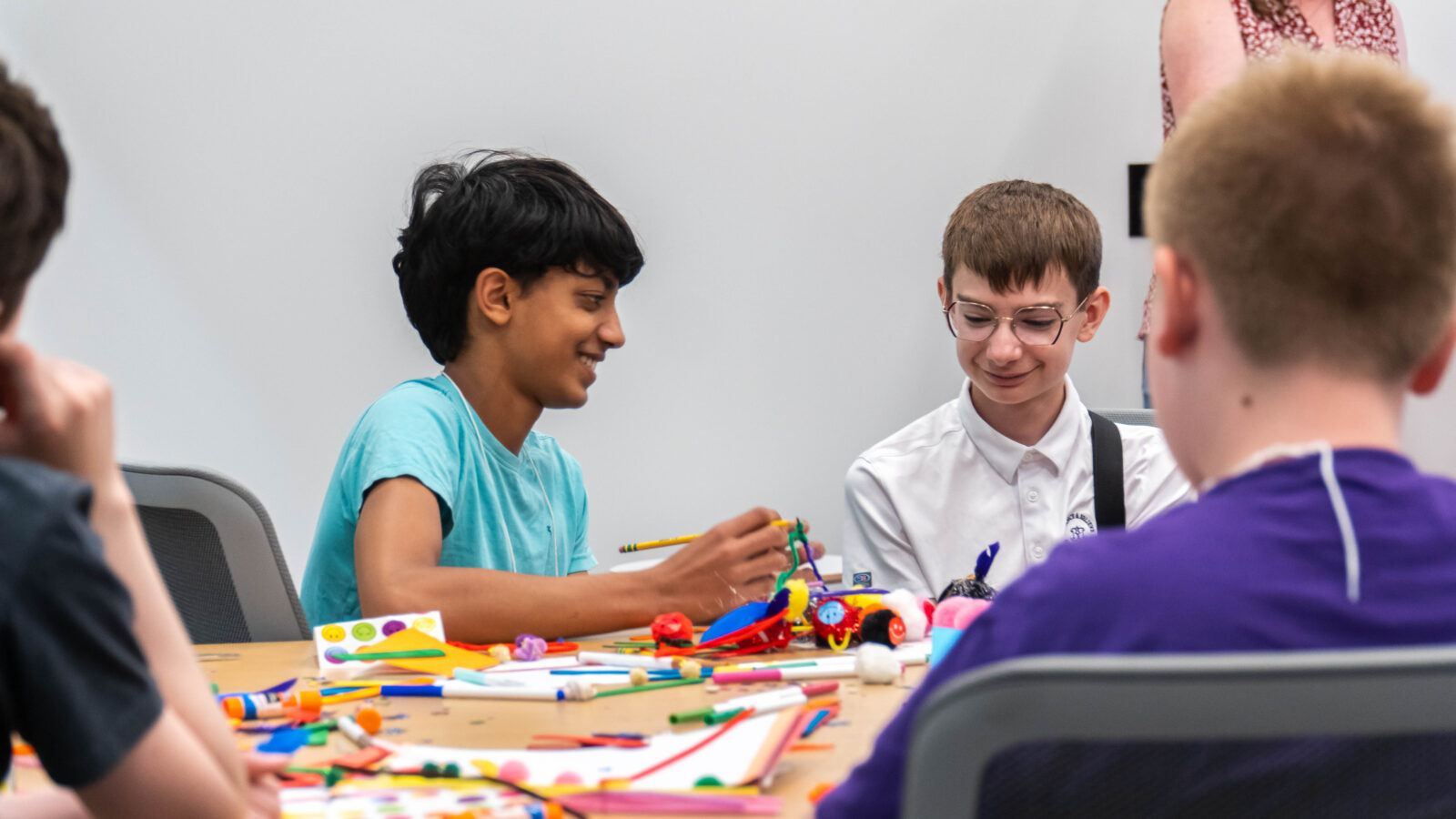
This July, 15 Madison-area middle schoolers traded their summer routines for coding, robotics, and cryptography at the new UW–Madison Computer Sciences Explorations Summer Camp. Hosted at Morgridge Hall, the camp gave students entering 5th through 8th grade, with or without coding experience, a hands-on introduction to computer science.
For four days, campers spent their mornings inside real university research labs, getting a firsthand look at fields like cryptography, robotics, wireless communication, and accessibility in technology. Afternoons were reserved for creativity: working in teams to design and build their own interactive projects using Octostudio, a free, block-based coding app designed to make programming approachable for beginners. The camp is also part of a broader push by UW–Madison’s Computer Sciences department to open its research and facilities to the surrounding community, giving students direct access to the department’s people, projects, and labs.
Exploring the Labs
Each morning, campers rotated through workshops led by university researchers and students, getting exposure to areas of computer science they might not otherwise encounter. The variety left an impression. During final reflections, students repeatedly brought up different favorite workshops — a sign, according to camp organizer Computer Sciences Instructional Administrator Peter Kirschmann, that the range of topics resonated across the group.
“What I saw was exactly what we had hoped for — a fully engaged group of young students being taught about computer science by an enthusiastic group of CS undergraduates.
One camper, reflecting on a hands-on cryptography workshop with graduate students, said they were struck by the subject’s depth: “I was surprised how much math cryptography takes, how interesting it is, and how much logic it takes.”
For Kirschmann, that kind of reaction is exactly the point. “The goal of the camp is to provide an opportunity for young people to explore different areas of computer science that they may not be exposed to elsewhere by learning about the research and design happening in labs here at UW,” Kirschmann said.
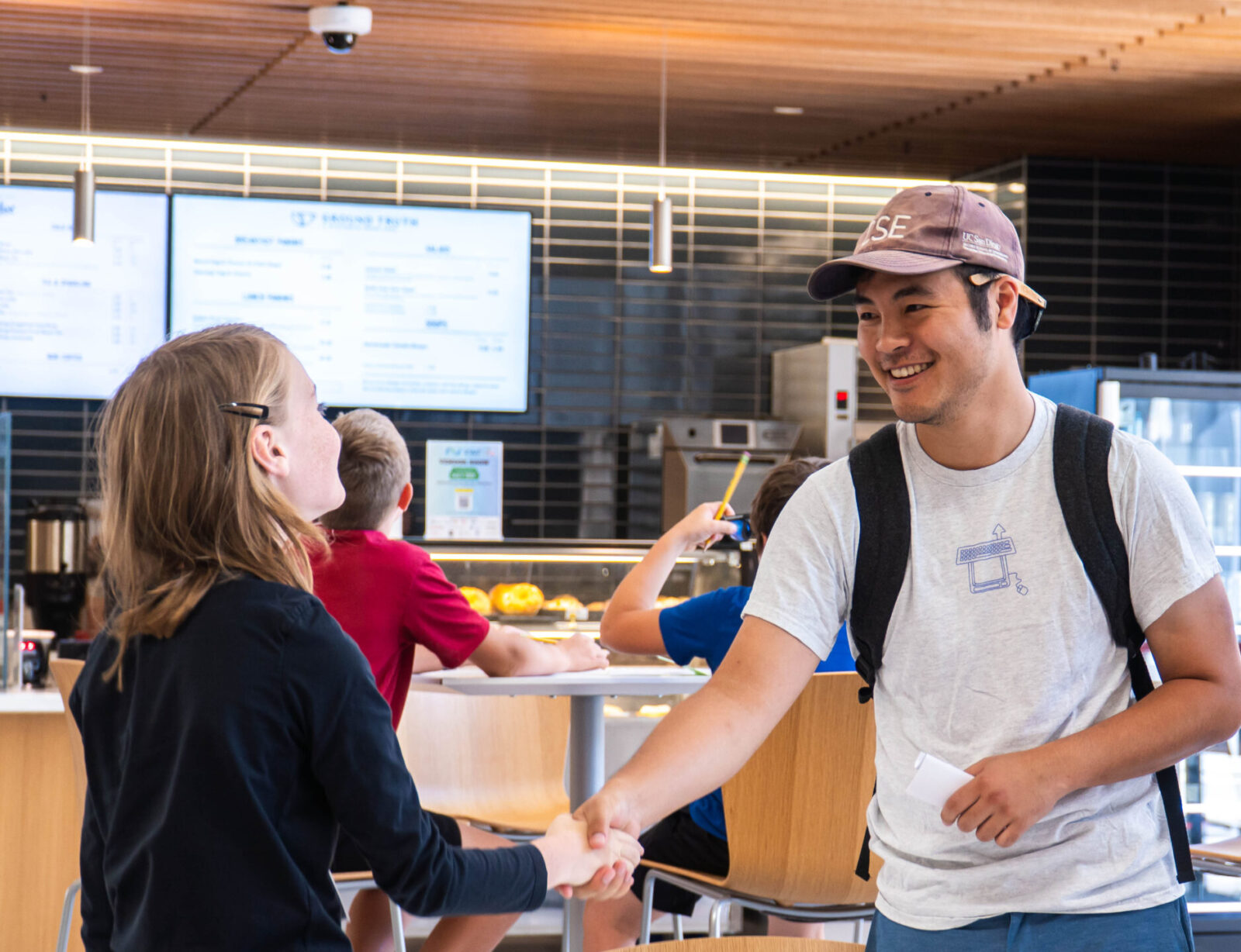
That mix of exposure and mentorship didn’t go unnoticed by camp visitors. Computer Sciences Chair Paul Barford stopped by the camp and said, “What I saw was exactly what we had hoped for — a fully engaged group of young students being taught about computer science by an enthusiastic group of CS undergraduates. The exchanges were really quite remarkable from a technical perspective.” Those undergraduates led the morning workshops and stayed on through the afternoons as project counselors, giving campers a near-peer introduction to computer science from people just a few years ahead of them in the field.
Building Something Personal
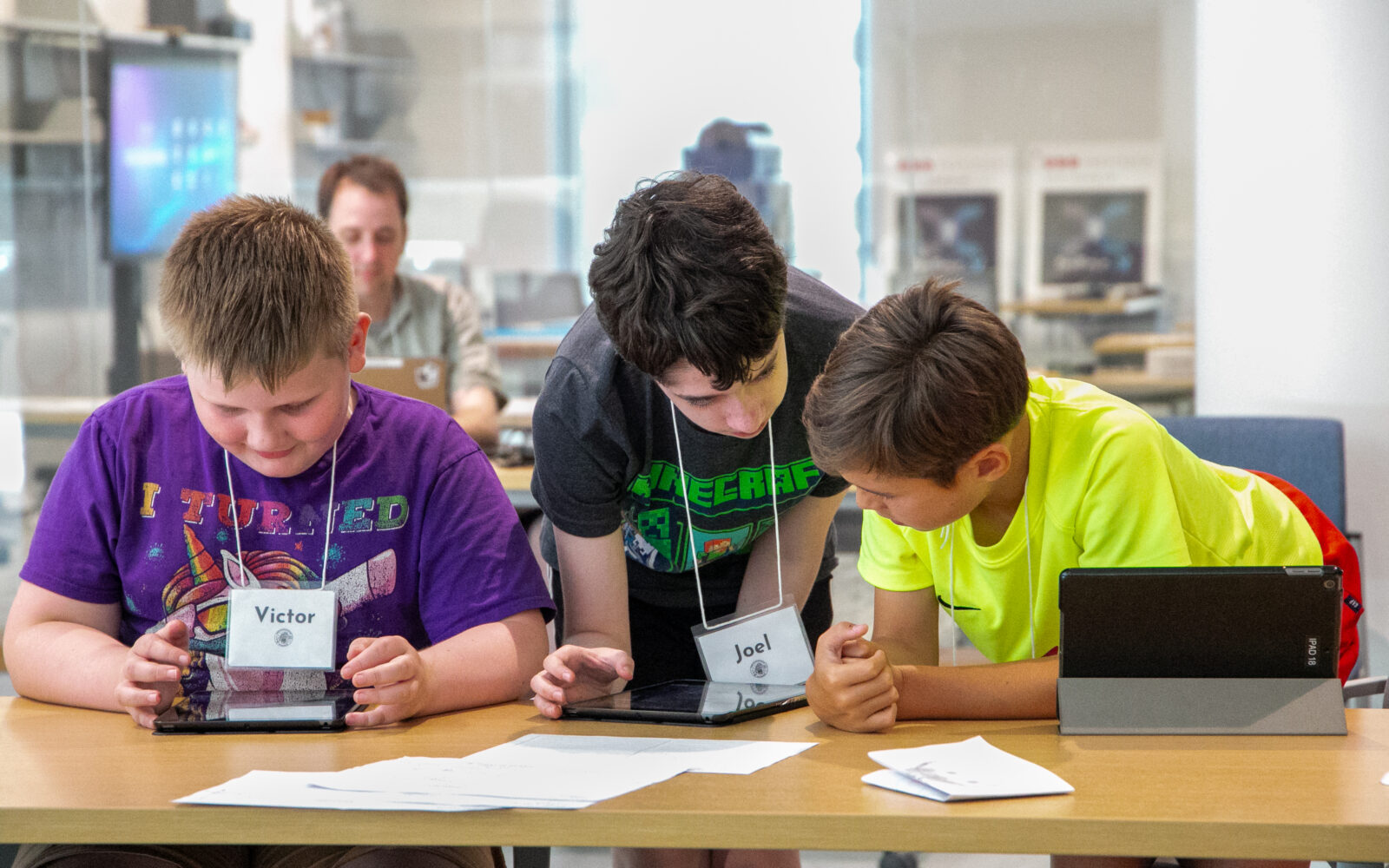
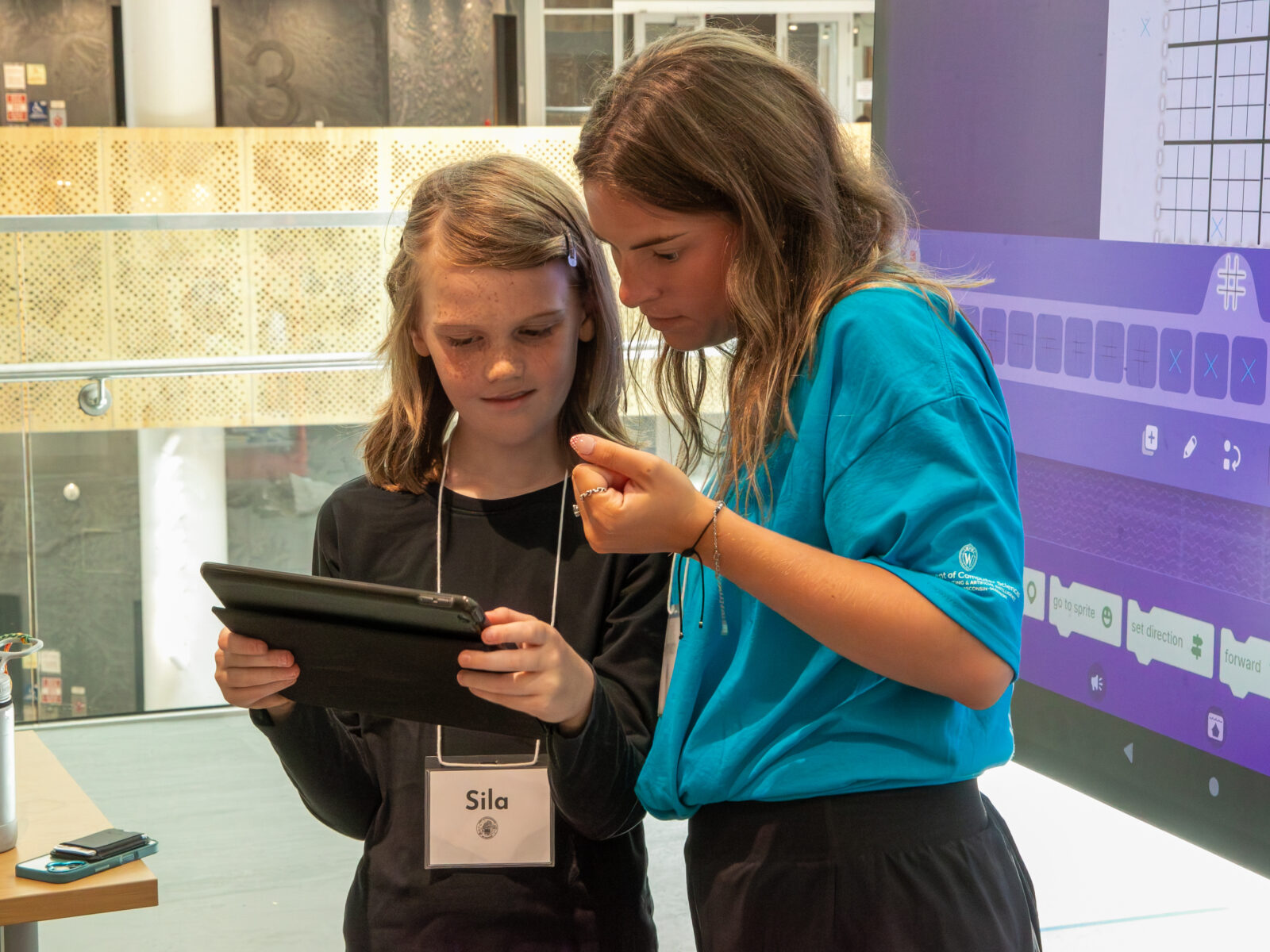
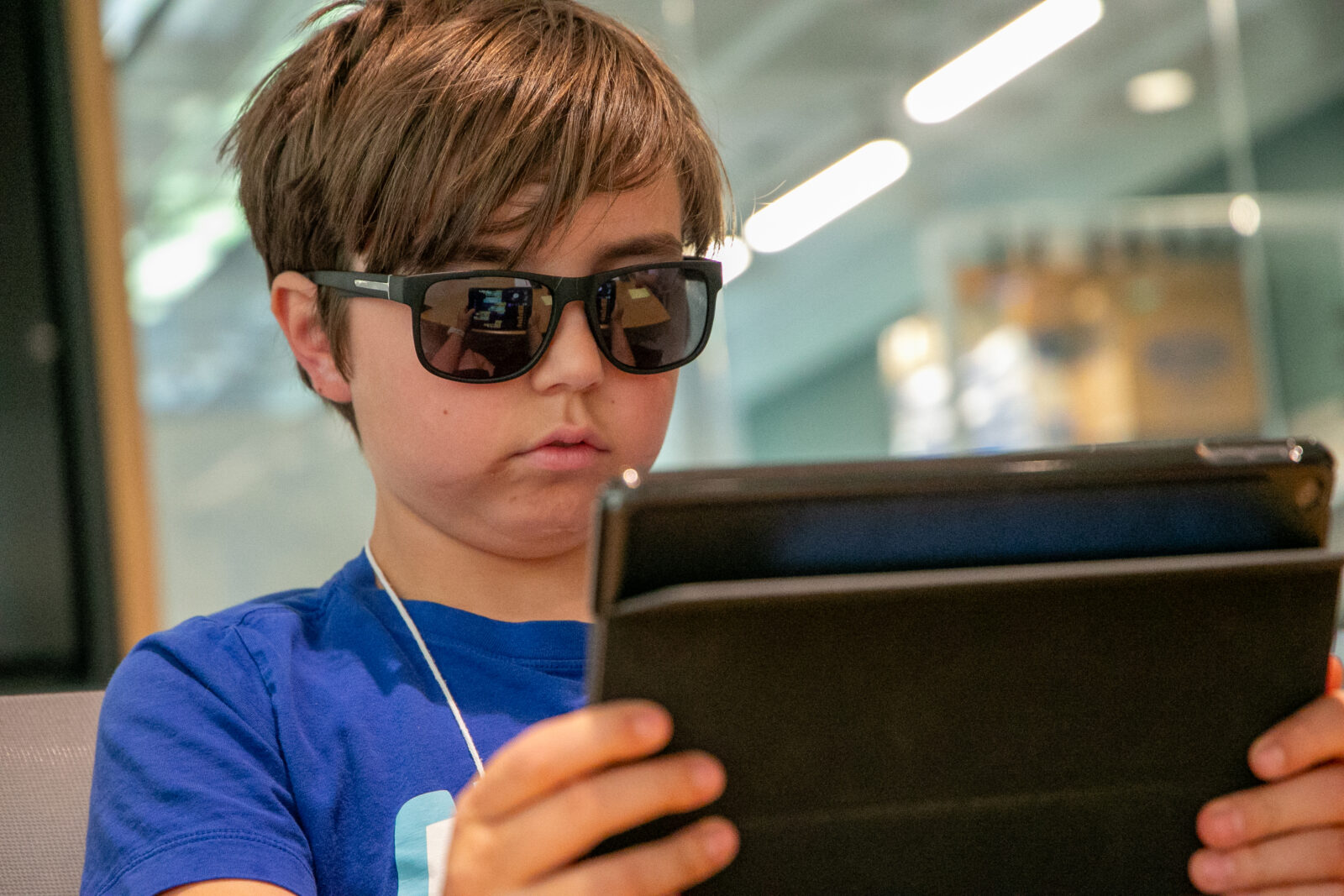
In the afternoons, students teamed up to build their own projects in Octostudio, a tablet-based, block-coding tool that lets beginners build games and interactive stories without writing traditional code. Two undergraduate counselors, Amiah Brakob and Trisha Hsu, guided the teams through the process.
That freedom to create something personal, Kirschmann said, is by design. “The camp also aims to give students the chance to create a personally meaningful project using computer science skills,” he noted.
The results reflected the personalities and interests of the campers who made them. One group built “Wings of Fire,” an interactive index cataloguing the different types of dragons from their favorite fantasy book series. Another created “Siblings of Battle,” a technically ambitious two-player fighting game packed with inside jokes woven into the animation and gameplay. A third team, inspired by the World Cup taking place that same week, built their own two-player soccer game.
“We’re proud of making the point system actually work because for a while it didn’t,” one camper said, describing the “Siblings of Battle” team’s final presentation. “We had to make changes to our characters and code to get it to work.”
For Kirschmann, the diversity and enthusiasm behind these projects is the clearest measure of the camp’s success. “One thing I pay attention to when thinking about if a workshop is a success is the excitement and diversity of projects that the students create,” Kirschmann said. “By that metric, I think it was a success.”
Some projects were more playful. “I am proud of making a twerking chicken in Octostudio,” one camper said. Kirschmann singled out that project as a great example of one of the design principles of the camp: students making personally meaningful projects. “I wouldn’t have imagined someone would make a twerking chicken or an index of all of the types of dragons in their favorite book series, but they did using code, and that was the hope,” said Kirschmann.
Learning Through Doing
Campers described a week defined less by lectures and more by trial, error, and teamwork. “We learned how to make a clicker game, and how we learned is . . . we did it!” one camper said.
Others pointed to the collaborative atmosphere as the highlight of the week. “I liked how much we worked and learned together,” one camper said. “It was so fun to learn.” Another camper reflected on the surprising creativity coding unlocked in their peers: “I was surprised at the ingenuity of people motivated by their screens.”
Looking Ahead
Beyond introducing new skills, the camp reflects a broader goal for the Computer Sciences department: making its research and facilities more accessible to the public. Morgridge Hall, the striking new home of Computer Sciences and the whole of the College of Computing & Artificial Intelligence, served as the camp’s base for the week — a deliberate choice, organizers say, to invite the surrounding community to experience the research, people, and learning happening in the building.
“The CS department is working toward broader community outreach,” says Barford, “and the CS Summer Camp is a great step toward that goal.” There are plans to hold this camp again next year, as well as expand options for K-12 students.
For the 15 campers who spent their July mornings in research labs and their afternoons dreaming up dragons, fighting games, and twerking chickens, the week offered something simple but powerful: proof that computer science can be whatever they want to make of it.